
Project summary
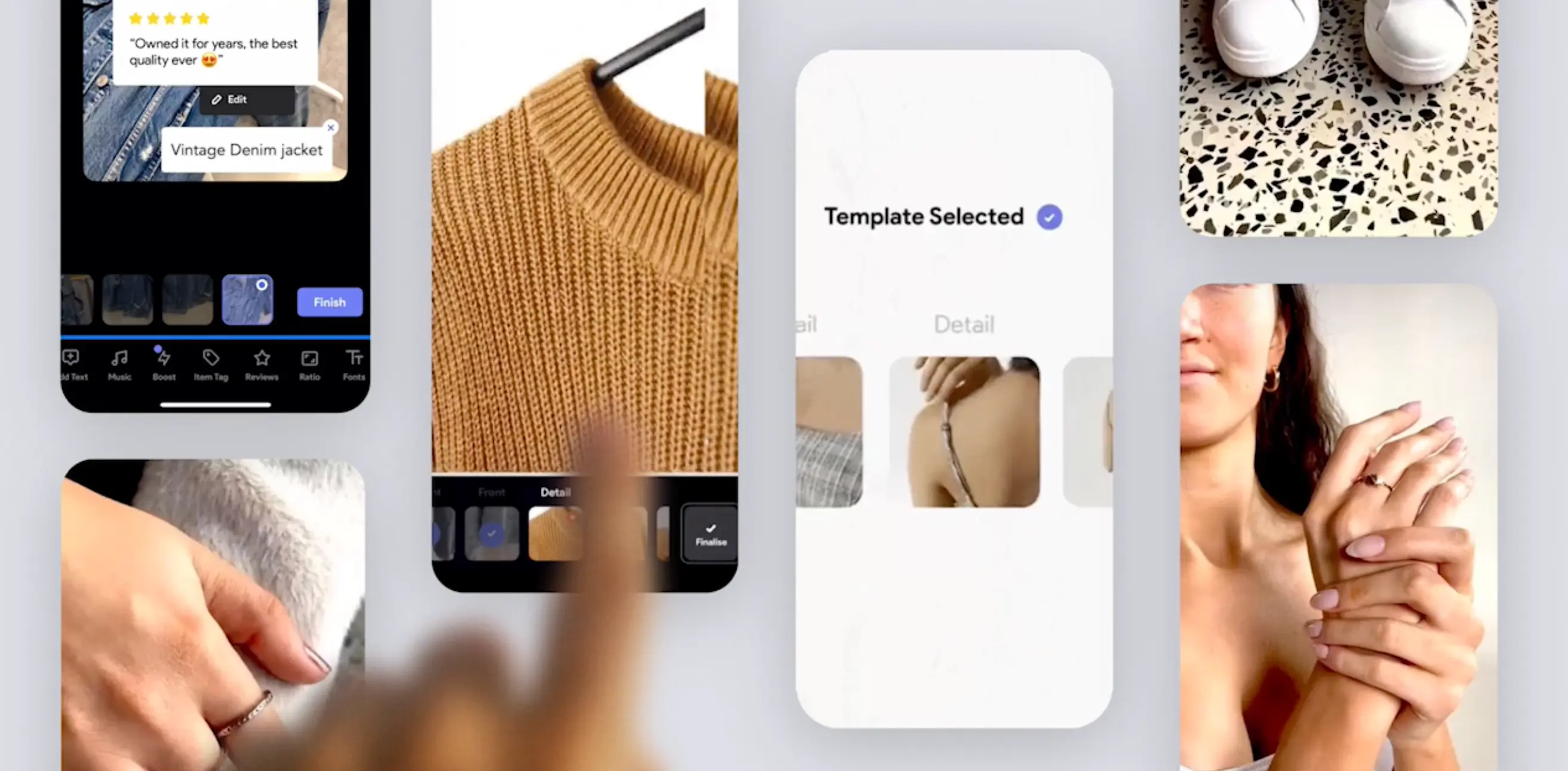
Vidi is a SaaS iOS app that helps fashion sellers create video content. Hundreds of templates show you which angles to shoot, and an overlay on the camera helps you line each one up.
The app worked, but new users left before making their first video. I was asked to find out why and how to bring them back. I paired Vidi’s analytics with seven moderated usability tests and mapped how a new user felt through their first session. My recommendation: don’t build the next feature yet. Fix the first mile.
The problem
On paper, Vidi did everything right: plenty of templates, a camera that worked, and a finished video in a few steps. The data said new users weren’t getting that far.
picked a template, then never recorded a video
tried more than one template in their first week
average time to a first video, in an app designed to be used in minutes
Session length dropped sharply the moment the camera opened
The numbers showed where new users stopped. They couldn’t show why. That’s what the tests were for.
How I framed it
I don’t mean that unkindly. It’s the mindset to design for, because a new user’s first session decides whether they come back.
No spare time to invest in something they don’t know yet.
For VidiNobody new will study a hundred templates.
They want to look good using the product, quickly.
For VidiThe first video has to look like something they’d post.
They want to know what’s in it for them, right now.
For VidiThe mission can wait. Their product needs to look good today.
The current journey
I ran moderated tests with seven people and mapped how they felt at each step, from opening the app to trying to keep their video. Tap through the moments below.
They’ve just downloaded Vidi and want to test it with a video.
What got in the way
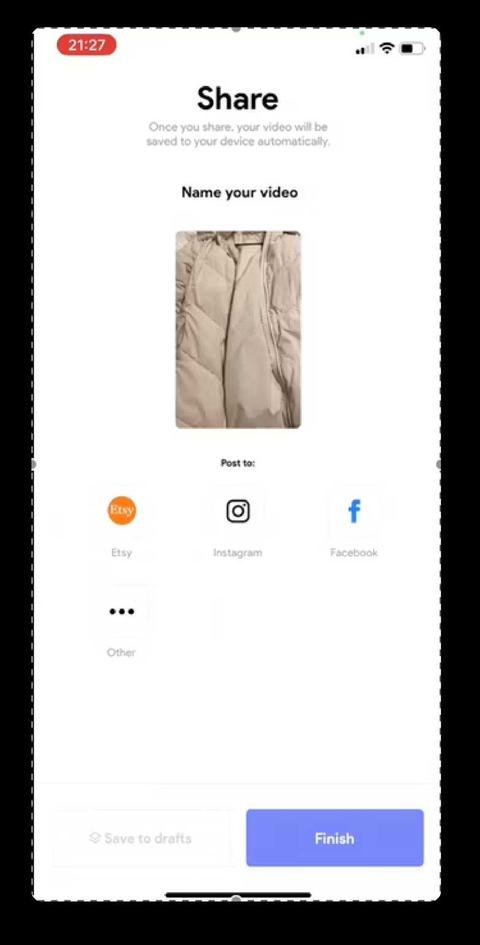
The only way to keep a finished video was to share it. People wanted to check it first, or edit it somewhere else before posting. Skipping the share meant losing the video.
“Sharing before I can save is annoying. I don’t want to share this with my network yet”Male, mid 30s
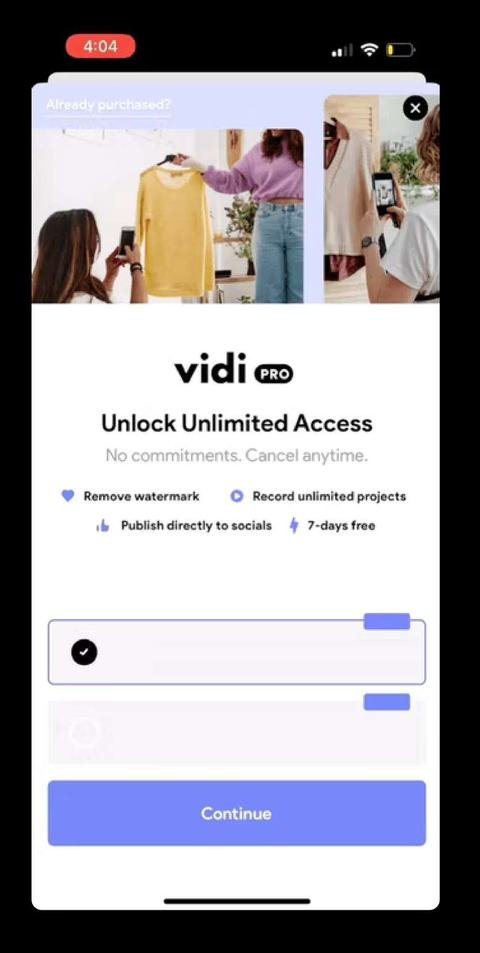
Pricing, profile set-up and a feature announcement opened every time the app did, before anyone had filmed anything. By the time a helpful tutorial appeared, people skipped it on reflex.
“too many pop ups. I just want to try the app”Male, mid 30s
The app crashed at the editing stage and took everything with it. People had done the hard part, then lost it.
“App broke and I lost all my progress”Male, mid 30s
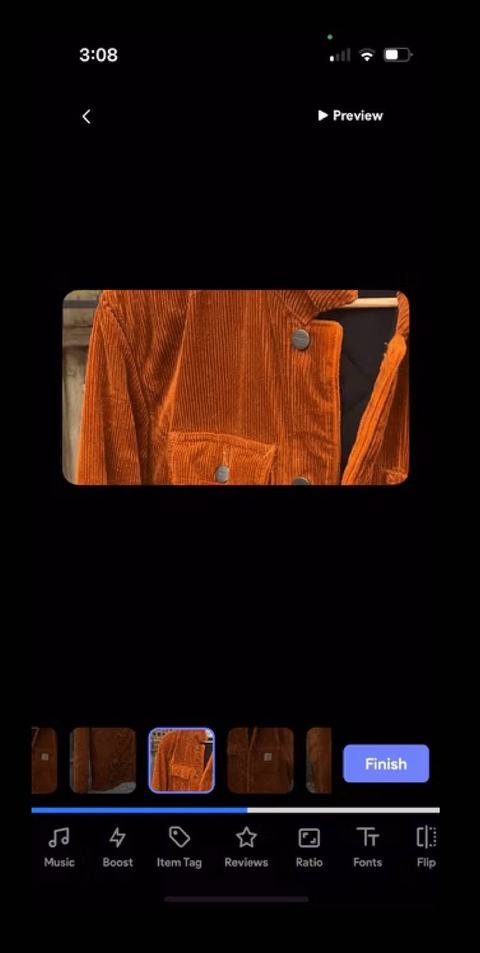
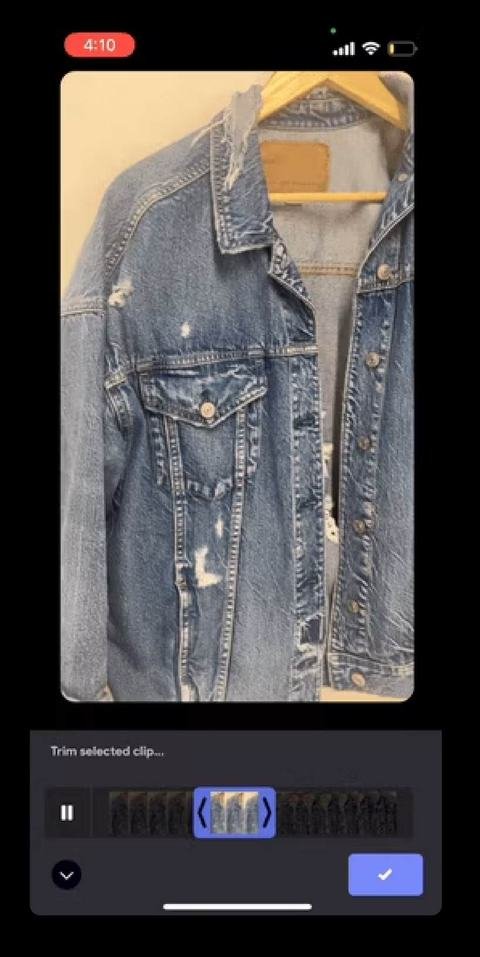
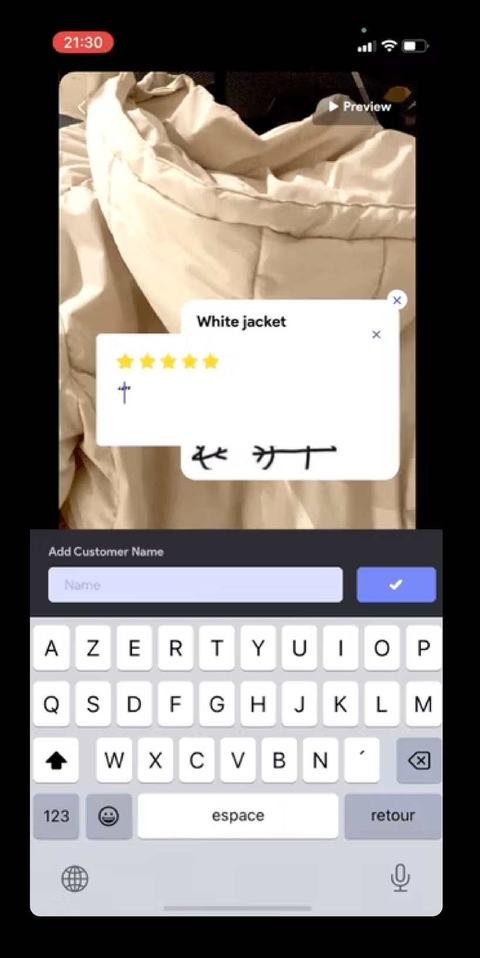
Text and review boxes couldn’t be resized, so they covered the product. Trimming worked some of the time. Simple edits took real effort.
“takes a while to navigate and figure out each feature.”Male, early 20s
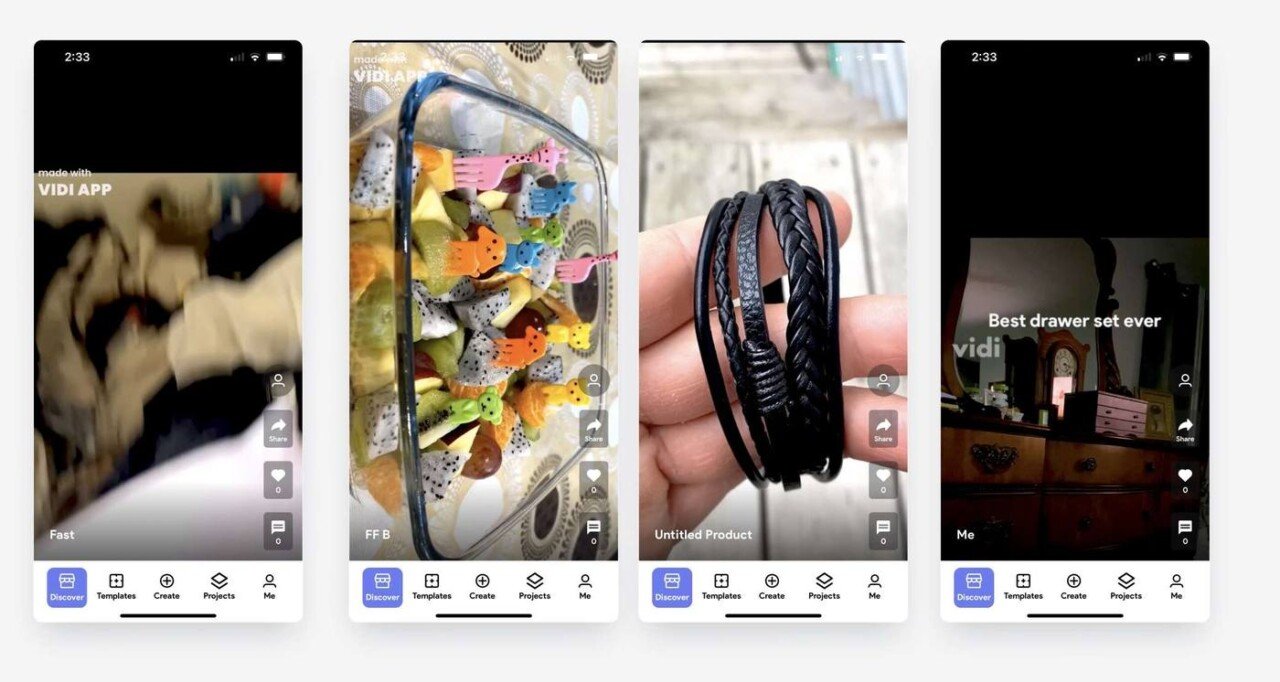
Discovery was meant to inspire. Instead it showed blurry, badly lit clips made by other users, which set low expectations before anyone had tried a template.
The insight
While filming, nobody could tell if what they were making was any good. They chased the overlay and doubted the result. Then they saw the finished clip and were pleasantly surprised. Vidi’s best moment came last, and too many people never reached it.
Unsure, chasing the overlay
“Template quality is much higher but i can’t match it with movement.”
“in the clips it looks smooth but i can’t tell while shooting if it’s going to look good.”
“I’m unsure if I’m taking a video or a photo”
Surprised it turned out well
“Video turned out surprisingly well even though I wasn’t convinced while filming”
“final clips actually look pretty good.”
“it’s a good video. it doesn’t have to be super fancy for depop”
The decision
Find out what else might help, and add it.
Tighten the path from sign-up to a first finished video.
People loved the overlay and liked their finished video. The value was there.
38% never recorded a video. The blockers sat between them and the payoff.
Pop-ups, lost videos and fiddly tools would get in its way too. Consolidate first, then build on top.
What I recommended
Four changes the team could make straight away, then two bigger pieces of work.
Ask for payment after someone has finished two projects, not on first launch. Review every other modal against the first session.
5 of 7 annoyedRemove share-to-download. Letting people keep their own video is the simplest way to earn their trust.
5 of 7 confusedNothing undoes trust faster than losing the work. This one comes first.
4 of 7 affectedOnly show approved videos, so the feed shows Vidi at its best, not its worst.
Quick to changeGet new users to a finished first video as fast as possible, so they feel the payoff before they lose interest.
Shooting, the editing tools and Discovery. Make sure templates are battle-tested and the overlay guides without making people feel they’re failing.
Reflection
Everything a new user meets before their first video counts as the product, including pop-ups, save flows and the bugs in between.
A new feature would have landed in the same broken journey. Consolidating what already worked was the faster path to people coming back.
Looking back, the peak–end rule explains a lot. Vidi’s best moment came last, and the last moment was often losing the video. I’d design an earlier win and a safer ending.
Part I covered the research and what to fix first. Part II, redesigning onboarding and the tools, isn’t part of this case study.
See more work